Let’s face it, the built-in speakers on modern TVs often leave much to be desired. Thin designs, while visually appealing, just don’t offer the space needed for robust audio. If you’re tired of muffled dialogue, lackluster explosions, and music that sounds flat, you’re not alone. The good news? You don’t need to empty your bank account to dramatically improve your home audio experience. The real quest is for the “best sound bar for the money” – finding that perfect blend of performance and affordability.
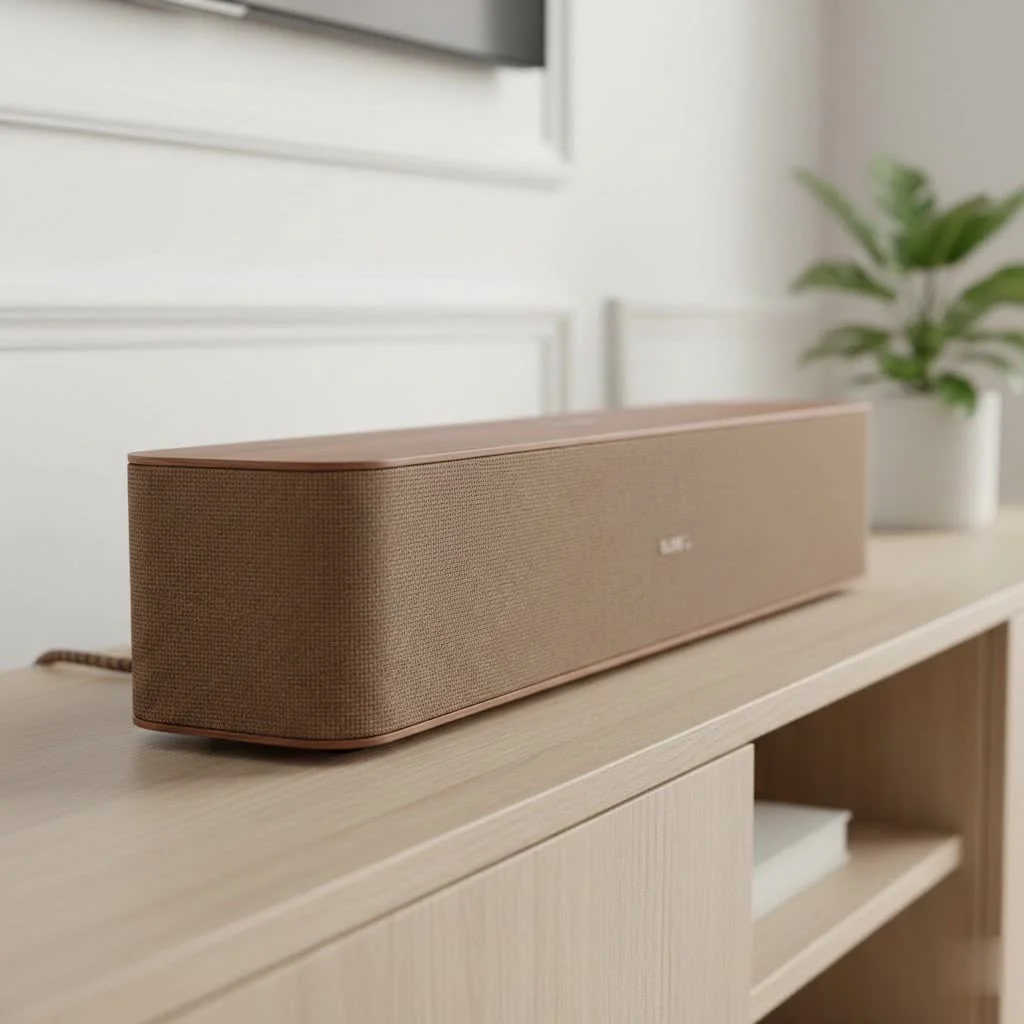
Here at Mxwar.com, with over 15 years in the trenches of audio tech, we understand that value isn’t just about the lowest price; it’s about getting the most impactful upgrade for every dollar spent. We’re here to cut through the noise and guide you to a sound bar that elevates your entertainment without a hefty price tag.
Why Upgrade? The Clear Difference a Sound Bar Makes
Many assume a sound bar is a luxury, but in reality, it’s a necessity for any home theater enthusiast, even on a budget. Today’s ultra-slim TVs, while sleek, compromise heavily on speaker quality. Their tiny, often rear-firing speakers struggle to produce clear dialogue, any semblance of bass, or a wide, engaging soundstage. You’re missing out on half the experience!
A good sound bar, even an affordable one, acts as an immediate and significant upgrade. It brings front-facing speakers, dedicated drivers for clearer vocals, and often a boost in bass that your TV simply can’t deliver. The result? You’ll hear every whisper, feel every rumble, and immerse yourself in your favorite movies, shows, and games like never before. It’s a fundamental improvement that truly changes how you consume media.
Key Features to Prioritize in a Budget Sound Bar
When you’re looking for the best sound bar for your money, it’s easy to get caught up in flashy features. But savvy shoppers know where to focus their limited funds for maximum impact.
Sound Quality Beyond Volume
At the core, a sound bar’s purpose is to sound better than your TV. Even budget models can surpass TV speakers, offering greater detail, punch, and volume.
- Dialogue Clarity: This is often the most critical improvement. Nothing is more frustrating than straining to hear conversations over background music or effects. Look for sound bars with a dedicated center channel or strong vocal processing to ensure crisp, intelligible speech. The Sonos Ray, for example, is highly regarded for its excellent vocal clarity.
- Bass Response: While sub-less sound bars will struggle to deliver truly deep, room-shaking bass, many budget options now include a dedicated external subwoofer. Even a small, wired subwoofer can make a significant difference, adding impactful rumble to action scenes and richness to music that TV speakers simply can’t provide. The Sony HT-G700 and Vizio 2.1 Soundbar are noted for their impressive bass performance, especially considering their price point.
- Overall Balance: Aim for a sound bar that delivers a balanced audio profile. You don’t want piercing highs or muddy mids. Good tonal balance ensures all elements of your audio, from dialogue to soundtracks, are present and clear.
Connectivity Options
|
Our Picks for the Best Sound Bar in 2026
As an Amazon Associate I earn from qualifying purchases.
|
||
| Num | Product | Action |
|---|---|---|
| 1 | Sonos Beam Gen 2 - White - Soundbar with Dolby Atmos |

|
| 2 | Sonos Beam Gen 2 - Black - Soundbar with Dolby Atmos |
|
| 3 | Sound Bar for Smart TV, 80W Soundbar with Bluetooth/ARC/Opt/AUX Connect, Dynamic Volume Boost, 3 Equalizer Modes, 2 in 1 Detachable Soundbar for TV/PC/Gaming/Projectors |
|
| 4 | Sound Bar for Smart TV, 80W Soundbar with Bluetooth/ARC/Opt/AUX Connect, Auto Volume Boost, 3 Equalizer Modes, 2 in 1 Detachable Soundbar for TV/PC/Gaming/Projectors |
|
| 5 | Samsung HW-C450 2.1ch Soundbar w/DTS Virtual X, Subwoofer Included, Bass Boost, Adaptive Sound Lite, Game Mode, Bluetooth, Wireless Surround Sound Compatible |
|
| 6 | Sound Bar for Smart TV, 80W Soundbar with Bluetooth/ARC/Opt/AUX Connect, Auto Volume Boost, 3 Equalizer Modes, 2 in 1 Detachable Soundbar for TV/PC/Gaming/Projectors |
|
| 7 | VIZIO V-Series 2.0 Compact Sound Bar with Dolby Audio, DTS:X, Bluetooth V20x-J8 |
|
| 8 | Sony S100F 2.0ch Soundbar with Bass Reflex Speaker, Integrated Tweeter and Bluetooth, (HTS100F), easy setup, compact, home office use with clear sound black |
|
| 9 | MZEIBO Sound Bar with Subwoofer,120W Soundbar for Smart TV Surround Sound Home Theater System Bluetooth 5.3 Audio Compatible with ARC, AUX, Optical |
|
| 10 | ULTIMEA 5.1CH Surround Sound Bar with Subwoofer, Dolby Atmos, VoiceMX, BassMX, APP, 300W Soundbar for Smart TV, Home Theater Surround Sound System for TV, BT 5.4, Poseidon M60 (2025 Model) |
|
How your sound bar connects to your TV is crucial for both ease of use and audio quality.
- HDMI ARC/eARC: This is the modern standard. HDMI ARC (Audio Return Channel) and its more advanced sibling, eARC, allow a single HDMI cable to send audio from your TV to the sound bar and even control basic functions like volume with your TV remote. eARC is particularly beneficial as it supports higher-quality, uncompressed audio formats like Dolby Atmos TrueHD, making it the superior choice if your TV and sound bar are compatible.
- Optical: Almost every TV and sound bar, regardless of age, will have an optical digital audio port. This is a reliable connection, especially for older TVs, but it has bandwidth limitations, typically supporting only compressed Dolby Digital or DTS 5.1 surround sound. It won’t handle uncompressed Dolby Atmos or DTS:X.
- Bluetooth/Wi-Fi: Many budget sound bars include Bluetooth for wirelessly streaming music from your smartphone or tablet. Wi-Fi connectivity, though less common at the lower end, offers higher quality streaming, multi-room audio capabilities, and sometimes even smart assistant integration (like Apple AirPlay 2 or Spotify Connect). The Sonos Beam (Gen 2) is a prime example of a sound bar offering extensive streaming smarts.
Sound Formats: Dolby Atmos and DTS:X
Immersive audio formats like Dolby Atmos and DTS:X create a 3D soundscape, making you feel like sound is coming from all around and above you. On a budget, this usually means “virtual” Atmos.
- Virtual vs. Dedicated Drivers: Many budget sound bars claim Dolby Atmos support. In cheaper models, this is often achieved through psychoacoustic processing rather than actual upward-firing speakers. While it won’t replicate the full “dome of sound” of high-end systems, it can still provide a more enveloping and spacious experience than standard stereo. The Sonos Beam (Gen 2) and Sony HT-G700 are noted for their impressive virtual Dolby Atmos effects, offering great value for immersive sound.
- What to Expect: Don’t expect a full, cinema-grade Dolby Atmos experience from a budget sound bar. However, even a convincing virtual effect is a significant upgrade over basic TV audio and adds a new dimension to your viewing.
System Configuration
Sound bars come in various configurations, impacting price and performance.
- Standalone Sound Bars: These are single-bar units that sit under your TV. They offer the simplest setup and are great for small spaces. Their main limitation is usually bass, as they lack a dedicated subwoofer.
- Sound Bar with Wireless Subwoofer: This is a popular and highly recommended configuration for budget buyers. The subwoofer adds crucial low-end thump that a standalone bar can’t achieve. Wireless subwoofers are convenient as they only need a power outlet and can be placed almost anywhere in the room. Many budget models from Hisense, Sony, and Vizio offer this.
- Sound Bar Systems (with Satellites): For a truly immersive surround sound experience on a budget, some systems include rear satellite speakers along with a sound bar and subwoofer. The Hisense AX5125H is highlighted as an excellent budget system that delivers a comprehensive and enveloping sound performance, supporting both Dolby Atmos and DTS:X.
Top Picks for the Best Sound Bar for the Money in 2025 (with Mxwar’s Insight)
Based on our extensive experience and the latest expert reviews, here are some standout sound bars that truly deliver the “best for your money” in 2025, covering various needs and budget points.
Best Overall Value (Mid-range Budget)
Sonos Beam (Gen 2)
This compact powerhouse consistently earns high marks. It delivers a warm, refined sound with excellent virtual Dolby Atmos, making your movies and music far more engaging. Its smart features, including Apple AirPlay 2 and compatibility with Amazon Alexa and Google Assistant, add significant value. While it lacks deep bass without an optional (and pricey) subwoofer, its overall sound field and streaming capabilities make it an outstanding investment for many. “The Sonos Beam (Gen 2) isn’t just a sound bar; it’s a gateway to an expansive audio ecosystem. Its ability to start as a standalone and grow with your needs truly defines value,” says Sarah Chen, Lead Audio Engineer at Mxwar.com.
Best for Deep Bass on a Budget
Sony HT-G700
If rumbling explosions and impactful soundtracks are high on your list, the Sony HT-G700 is a fantastic choice. This affordable Dolby Atmos sound bar comes with a substantial wireless subwoofer, providing a big, weighty sound and impressive low-end heft. It supports both Dolby Atmos and DTS:X, delivering a convincing immersive effect without breaking the bank. While it might lack the crispness of more expensive units and streaming features, its cinematic performance for the price is hard to beat.
Best Super Cheap Upgrade (Under $150)
Hisense HS214 / Vizio 2.1 Soundbar
For those looking to simply move beyond their TV speakers without spending much, the Hisense HS214 is a strong contender. It’s a simple 2.1 sound bar that adds decent low-end and clear vocal projection, especially well-suited for smaller rooms. Similarly, the Vizio 2.1 Soundbar, often available for around $150, includes a wireless subwoofer that provides much-needed bass. While the main sound bar’s quality might not be outstanding for higher frequencies, the subwoofer delivers a significant upgrade to your overall sound experience.
Best for Dialogue Clarity
Sonos Ray
If clear dialogue is your absolute top priority, the Sonos Ray is an assertive and punchy sound bar known for its sparkling vocal clarity. It’s ultra-compact and designed to fit into tight spaces, making it a practical choice for bedrooms or desktop setups. While it doesn’t offer Dolby Atmos or HDMI connectivity (relying on optical), its focus on making speech intelligible makes it invaluable for dialogue-heavy content.
Best Budget Sound Bar System (with Surround Sound)
Hisense AX5125H
Finding a full sound bar system with surround speakers and a subwoofer at a budget price is rare, but the Hisense AX5125H is a delightful exception. This system supports both Dolby Atmos and DTS:X, delivering an enveloping and powerful sound experience. It manages to create a convincing sense of height and motion, making it an excellent choice if you desire a comprehensive home cinema system without the premium cost.
Best with Smart Streaming Features
Roku Streambar SE
For those with an older TV or who want a consolidated media hub, the Roku Streambar SE is an affordable and compact option. It not only enhances your TV’s audio but also integrates Roku’s 4K streaming platform and Apple AirPlay. While its bass performance is modest without an additional subwoofer, its dual functionality as a streaming device and a sound bar offers excellent value, particularly for Roku users.
Expert Tips for Maximizing Your Budget Sound Bar Experience
You’ve chosen your sound bar, now let’s make sure you get the absolute best out of it.
- Placement is Key: Most sound bars are designed to sit directly under your TV, centered. If wall-mounting, ensure it’s aligned with the screen. For systems with subwoofers, experiment with placement. Low-frequency sounds are less directional, so you can often tuck a wireless sub next to or behind your couch for maximum impact without compromising aesthetics.
- Optimize Your EQ Settings: Many sound bars come with automatic calibration software (like Sonos’ Trueplay, though often iOS-specific). Always run these. Afterward, don’t be afraid to tweak the EQ manually using the sound bar’s remote or app. Every room sounds different, and your personal preference matters most. Adjust bass and treble to your liking, and if available, use dialogue enhancement features to boost vocal clarity.
- Check Your Audio Format: If your sound bar supports advanced formats like Dolby Atmos, ensure your TV and source devices (streaming stick, Blu-ray player) are sending the correct signal. In your TV’s audio settings, look for an option to output “bitstream” audio rather than PCM. This allows your sound bar to decode the immersive formats properly.
- Consider Future Expansion: Some budget sound bars, especially from brands like Sonos, offer modularity. You might start with a standalone bar and later add a wireless subwoofer or even rear satellites to create a more complete surround sound system as your budget allows.
FAQs About Budget Sound Bars
Are budget sound bars worth it?
Absolutely! Even the most affordable sound bar is almost always a significant upgrade over your TV’s built-in speakers, providing clearer dialogue, better bass, and a more engaging soundstage. You don’t need to spend a fortune to improve your home audio.
What’s the difference between HDMI ARC and optical?
HDMI ARC/eARC is generally superior. It uses a single cable for audio and basic control, and eARC supports higher-quality, uncompressed audio formats like Dolby Atmos TrueHD. Optical is a good alternative for older TVs but has limited bandwidth, typically only supporting compressed 5.1 surround sound (like Dolby Digital) and cannot pass through lossless Atmos.
Do I need a subwoofer for good bass?
For truly impactful bass that you can feel, a dedicated subwoofer is highly recommended. Sound bars alone have physical limitations that prevent them from producing deep, resonant low frequencies. Many budget sound bars come bundled with wireless subwoofers, offering a substantial bass boost for movies and music.
Can I use any brand of sound bar with my TV?
Yes, generally. While matching brands can sometimes offer enhanced interoperability (like using your TV remote to control the sound bar), it’s not a strict requirement. Focus on getting the best-performing sound bar you can afford, regardless of brand, to achieve the best audio results.
How important is Dolby Atmos on a budget?
On a budget, Dolby Atmos is often “virtual,” created through psychoacoustic processing rather than dedicated upward-firing speakers. While not as precise as high-end systems, it still provides a more expansive and immersive sound experience than standard stereo or basic surround sound, making it a valuable feature for elevating your movie watching.
Conclusion
Navigating the world of sound bars for the best value can feel overwhelming, but it doesn’t have to be. As a seasoned expert at Mxwar.com, my mission is to demystify the tech and help you make informed decisions. The “best sound bar for the money” isn’t a one-size-fits-all answer; it’s the one that perfectly balances your budget with your unique audio needs and preferences.
Whether you’re prioritizing crystal-clear dialogue, thunderous bass, or a taste of immersive Dolby Atmos, there’s an exceptional sound bar out there waiting to transform your home entertainment. Don’t settle for mediocre TV audio any longer. Take the plunge, choose wisely, and prepare to rediscover your favorite content with a richness and clarity you never thought possible on a budget. Explore Mxwar.com for more insights and feel free to share your experiences – let’s elevate home audio, together!
Get our weekly buyer guide
Practical specs, not advice. Unsubscribe anytime.

I was so tired of my TV’s built-in speakers making everything sound flat, especially during action movies. This guide really helped me understand what to look for without breaking the bank. I ended up getting a mid-range Samsung soundbar that was recommended, and the difference is night and day. Dialogue is super clear now, and the bass actually has some punch!
Finally, a guide that gets it! I’ve been looking for a soundbar that could handle both crisp dialogue and powerful explosions without sounding muddy. The emphasis on specific features like dedicated center channels was really helpful. I went with one of the recommended Sony models, and my movie nights have been totally transformed. No more muffled conversations!
I was hoping to find something that would really make a difference for music, but the soundbar I got based on the recommendations, while good for movies, still leaves a bit to be desired for my Spotify playlists. It’s definitely better than my TV speakers, but I might need to invest in a separate system for serious music listening. Still, it was a good starting point.
I appreciated the focus on value for money. It’s easy to get overwhelmed by all the high-end options, but I just wanted a solid upgrade for my living room. I picked up a Vizio soundbar that was in the ‘under $300’ category, and it’s been great for general TV watching and sports. My only minor gripe is that the remote is a bit finicky sometimes.