Tired of your TV’s lackluster audio dragging down your cinematic adventures or making dialogue a muddled mess? You’re not alone. In today’s world of stunningly thin flat-screen televisions, the one compromise often made is on sound quality. That’s where sound bar speakers come into play, revolutionizing how we experience audio in our homes. At Mxwar.com, we believe that an exceptional visual experience deserves equally exceptional sound, and sound bars are the simplest, most effective way to achieve just that. As your seasoned audio expert, with over 15 years in the field, I’m here to demystify these incredible devices and help you unlock their full potential.
What Exactly Are Sound Bar Speakers?
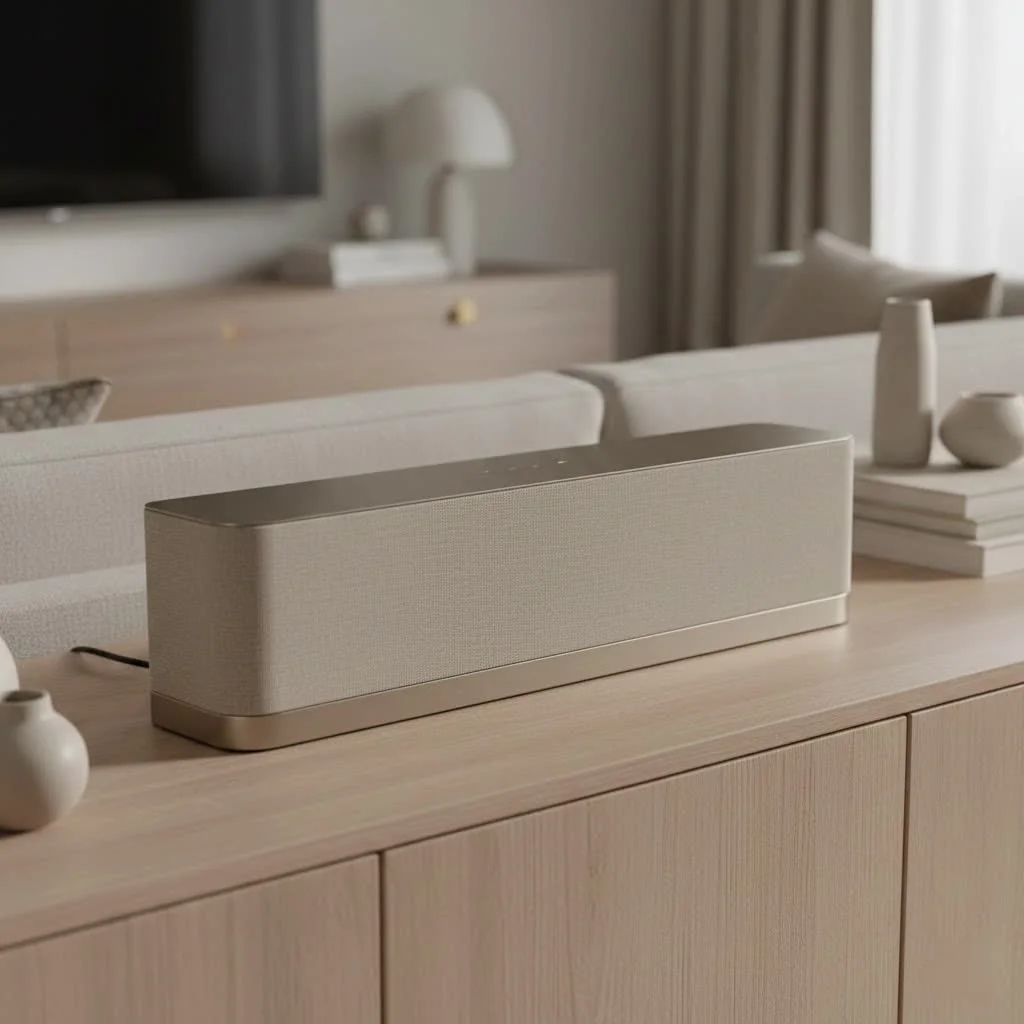
At their core, sound bar speakers are sleek, all-in-one audio systems designed to significantly enhance your television’s sound. Imagine taking multiple individual speakers – responsible for crisp highs, clear vocals, and deep bass – and integrating them into a single, compact bar that sits discreetly below or above your TV. This ingenious design consolidates complex audio setups, eliminating the clutter of wires and numerous components associated with traditional home theater systems. For browse all home theater articles on this site.
Initially, flat-screen TVs, while visually striking, struggled with internal speaker limitations due to their slim profiles. Sound bars emerged as the perfect solution, leveraging multiple drivers within a single enclosure to project a wider, more dynamic soundstage. These typically include tweeters for high frequencies, mid-range drivers for dialogue, and woofers for impactful bass, working in harmony to deliver a richer, more immersive listening experience.
The Undeniable Benefits of Sound Bar Speakers
Upgrading to sound bar speakers isn’t just about making things louder; it’s about transforming your entire audio experience.
Enhanced Audio Quality: Hear Every Detail
The most immediate and impactful benefit is the dramatic improvement in sound quality. Modern sound bars bring clarity to dialogue, vibrancy to music scores, and a powerful punch to action sequences that built-in TV speakers simply cannot match. You’ll catch nuances in movies and feel the rhythm in your favorite songs like never before. For instance, some advanced models feature AI Dialogue Mode, which specifically enhances speech frequencies, ensuring conversations are crystal clear even amidst heavy background noise.
Immersive Soundscapes: Step Inside the Action
Beyond mere clarity, many sound bar speakers offer technologies like Dolby Atmos and DTS:X. These aren’t just buzzwords; they’re game-changers that create a three-dimensional audio experience, making sound appear to come from all around you – and even overhead. Imagine a helicopter flying directly above your head or footsteps approaching from behind you, all without a dozen speakers scattered across your room. This “spatial audio” technology adds incredible depth and directionality, turning your living room into a cinema.
Sleek Design & Space-Saving: Elegance Meets Efficiency
|
Our Picks for the Best Sound Bar in 2026
As an Amazon Associate I earn from qualifying purchases.
|
||
| Num | Product | Action |
|---|---|---|
| 1 | Sonos Beam Gen 2 - Black - Soundbar with Dolby Atmos |

|
| 2 | Sonos Beam Gen 2 - White - Soundbar with Dolby Atmos |
|
| 3 | Samsung HW-C450 2.1ch Soundbar w/DTS Virtual X, Subwoofer Included, Bass Boost, Adaptive Sound Lite, Game Mode, Bluetooth, Wireless Surround Sound Compatible |
|
| 4 | VIZIO V-Series 2.0 Compact Sound Bar with Dolby Audio, DTS:X, Bluetooth V20x-J8 |
|
| 5 | Sound Bar for Smart TV, 80W Soundbar with Bluetooth/ARC/Opt/AUX Connect, Auto Volume Boost, 3 Equalizer Modes, 2 in 1 Detachable Soundbar for TV/PC/Gaming/Projectors |
|
| 6 | MZEIBO Sound Bar with Subwoofer,120W Soundbar for Smart TV Surround Sound Home Theater System Bluetooth 5.3 Audio Compatible with ARC, AUX, Optical |
|
| 7 | Sound Bar for Smart TV, 80W Soundbar with Bluetooth/ARC/Opt/AUX Connect, Auto Volume Boost, 3 Equalizer Modes, 2 in 1 Detachable Soundbar for TV/PC/Gaming/Projectors |
|
| 8 | Sony S100F 2.0ch Soundbar with Bass Reflex Speaker, Integrated Tweeter and Bluetooth, (HTS100F), easy setup, compact, home office use with clear sound black |
|
| 9 | Sound Bar for Smart TV, 80W Soundbar with Bluetooth/ARC/Opt/AUX Connect, Dynamic Volume Boost, 3 Equalizer Modes, 2 in 1 Detachable Soundbar for TV/PC/Gaming/Projectors |
|
| 10 | ULTIMEA 5.1CH Surround Sound Bar with Subwoofer, Dolby Atmos, VoiceMX, BassMX, APP, 300W Soundbar for Smart TV, Home Theater Surround Sound System for TV, BT 5.4, Poseidon M60 (2025 Model) |
|
One of the greatest appeals of sound bar speakers is their unobtrusive design. Unlike bulky multi-speaker setups, sound bars blend seamlessly with modern decor. Their slim profile allows them to sit neatly on a TV stand or be elegantly wall-mounted, freeing up valuable floor space and minimizing cable clutter. This makes them ideal for apartments, smaller living rooms, or anyone who prefers a minimalist aesthetic without sacrificing audio performance.
Simplified Setup & Versatile Connectivity: Plug and Play Power
Worried about complicated installations? Don’t be. Sound bar speakers are renowned for their user-friendliness. Most connect to your TV with a single cable, typically HDMI ARC (Audio Return Channel) or the more advanced HDMI eARC (Enhanced Audio Return Channel), which supports higher-bandwidth audio formats like Dolby Atmos. [cite: 1, 2 (buying guide)] Many also offer Bluetooth for wireless music streaming from your phone or tablet, and some even include Wi-Fi connectivity for multi-room audio or smart home integration.
Smart Features & Expandability: More Than Just Sound
Today’s sound bar speakers are often much more than simple audio enhancers. Many come with built-in voice assistants like Amazon Alexa or Google Assistant, transforming them into smart hubs for your home. You can control your TV, ask for weather updates, or manage other smart devices, all hands-free. Furthermore, many systems are expandable, allowing you to wirelessly add a dedicated subwoofer for deeper bass or rear satellite speakers to achieve a true surround sound experience over time. [cite: 3, 4 (buying guide)]
Choosing Your Perfect Sound Bar Speakers: A Buyer’s Blueprint
Selecting the right sound bar speakers can feel daunting with so many options available. Here’s how to navigate the choices and find the perfect fit for your home and listening habits.
Understanding Sound Bar Types
The world of sound bars offers a spectrum of configurations, each catering to different needs and budgets:
- Basic 2.0/2.1 Systems: These are entry-level sound bars, offering stereo sound (2.0) or stereo with an added subwoofer for enhanced bass (2.1). They provide a significant upgrade over TV speakers for everyday viewing and music.
- Sound Bars with Wireless Subwoofers: A very popular choice, these systems pair the main sound bar with a separate, wirelessly connected subwoofer. This configuration dramatically boosts bass response, essential for impactful movie soundtracks and rich music, while offering flexible placement for the subwoofer. [cite: 4 (buying guide)]
- Sound Bars with Satellite Surround Speakers: For those seeking a more enveloping experience without the full complexity of a traditional home theater, these systems include additional rear speakers that wirelessly connect to the sound bar. This creates a true surround sound field, pulling you deeper into the audio. [cite: 4 (buying guide)]
- All-in-One Immersive Bars: High-end sound bars integrate multiple drivers, sometimes including up-firing speakers, to simulate immersive surround sound and height effects (Dolby Atmos/DTS:X) from a single unit. Some can even be expanded with optional wireless subwoofers and surrounds later.
Key Features to Prioritize
When you’re ready to buy, keep these crucial features in mind:
- Audio Channels & Technologies: Look for channel configurations like 3.1 (left, center, right, plus subwoofer) for clearer dialogue, or 5.1 and beyond for true surround sound. For the ultimate immersive experience, prioritize sound bars that support Dolby Atmos and DTS:X, as they add a “height” dimension to the sound. [cite: 1 (buying guide), 2 (buying guide)]
- Connectivity: HDMI eARC is the gold standard, offering the best audio quality and simplifying control with your TV remote. [cite: 2 (buying guide)] Ensure your TV has a compatible port. Optical audio is a good alternative for older TVs. Bluetooth is excellent for music streaming, and Wi-Fi enables smart features and multi-room audio.
- Smart Home Integration: If you use voice assistants like Alexa or Google Assistant, choosing a sound bar with these built-in can streamline your smart home experience.
- Size & Aesthetics: Measure your space. The sound bar should generally be proportional to your TV’s width to look best and should fit without blocking the TV screen, especially if it sits on a stand. [cite: 3 (buying guide)]
- Room Calibration: Advanced sound bars often feature automatic room calibration technology. This system uses microphones to analyze your room’s acoustics and automatically optimize the sound output, ensuring the best audio performance regardless of your room’s unique layout.
- Budget Considerations: Sound bar speakers are available at various price points. Determine your budget beforehand, but remember that investing a little more often yields a significant leap in audio quality and features.
Setting Up Your Sound Bar Speakers for Optimal Performance
Even the best sound bar speakers won’t sound their best if not set up correctly. Here’s how to get the most out of your investment:
The Golden Rules of Placement
Where you place your sound bar dramatically impacts its performance.
- Below or Above Your TV, at Ear Level: The ideal spot is centered directly below your TV, at or near ear level when you’re seated. This ensures the sound is directed towards you, aligning with the on-screen action. [cite: 2 (setup), 3 (setup), 5 (setup)] If wall-mounting, directly below the TV is typically preferred.
- Avoiding Obstructions: Crucially, ensure no furniture, decorations, or even the edge of your TV stand blocks the sound waves. This is especially vital for sound bars with up-firing speakers (for Dolby Atmos), as these rely on sound bouncing off your ceiling. [cite: 1 (setup), 2 (setup)]
- Wall-Mounting vs. Shelf Placement: If your TV is wall-mounted, a wall-mounted sound bar offers a clean, integrated look and ensures sound alignment. Many sound bars come with wall-mounting kits or templates. If placed on a shelf, position it as close to the front edge as possible to prevent sound from being absorbed or obstructed. [cite: 1 (setup), 3 (setup)]
Subwoofer Secrets
If your sound bar includes a separate subwoofer, its placement is key to deep, clear bass.
- Strategic Placement for Bass: Subwoofers are generally non-directional, giving you flexibility. Place it on the floor, ideally in a corner or along a wall, to enhance bass response. Experiment with different spots in your room to find the “sweet spot” where the bass sounds most balanced and impactful. [cite: 2 (setup)]
- Balancing Volume Levels: Ensure the subwoofer’s volume is balanced with the main sound bar. You want the bass to be felt and heard, but not to overpower the dialogue or music. Many sound bar remotes offer separate volume controls for easy adjustment. [cite: 1 (setup)]
Connecting with Confidence
Your connection choice is paramount for optimal audio quality.
- HDMI eARC: Your Best Friend: For the best possible audio, especially with advanced formats like Dolby Atmos, use an HDMI eARC connection between your sound bar and TV. It allows for high-bandwidth, uncompressed audio transmission and often enables control of the sound bar volume with your TV remote. [cite: 1, 5 (buying guide)]
- Optical vs. Wired vs. Bluetooth: If your TV lacks HDMI eARC, an optical digital audio cable is a reliable alternative for good quality sound, particularly with 5.1 audio. [cite: 2 (buying guide)] While Bluetooth is convenient for wireless music, for your primary TV audio, a wired connection (HDMI or optical) typically offers a more stable and lossless audio transmission. [cite: 2 (setup)]
Fine-Tuning for Perfection
A few final adjustments can elevate your sound experience further.
- Room Calibration: If your sound bar features automatic room calibration (like ADAPTiQ on Bose systems), run it! This process uses microphones to analyze your room’s acoustics and automatically optimizes the sound settings for your specific environment. If your sound bar doesn’t have this, don’t be afraid to experiment with your sound bar’s EQ settings manually to tailor the sound to your preference.
- Software Updates: Just like your smartphone, your sound bar speakers benefit from regular software updates. These updates often bring performance improvements, new features, and bug fixes, ensuring your sound bar continues to perform at its best and potentially gets even better over time.
Common Questions About Sound Bar Speakers
What’s the difference between a sound bar and a traditional home theater system?
A sound bar is an all-in-one unit designed for simplicity and space-saving, consolidating multiple speakers into a single enclosure. A traditional home theater system typically involves separate components: a receiver, and multiple individual speakers (front, center, rear, subwoofer) requiring more complex wiring and setup, but often offering superior customization and ultimate audio performance.
Can I use a sound bar for music?
Absolutely! Many sound bar speakers come with Bluetooth connectivity, allowing you to easily stream music from your smartphone, tablet, or computer. Some higher-end models also feature Wi-Fi connectivity for higher-fidelity streaming from services like Spotify or Apple Music, and can even be integrated into multi-room audio systems.
Do all sound bars come with a subwoofer?
No, not all sound bars include a separate subwoofer. Basic 2.0 channel sound bars focus purely on improving stereo sound from the main bar. However, many popular sound bars are 2.1 channel or higher and do come bundled with a wireless subwoofer to provide enhanced bass response. Some also offer the option to add a subwoofer later. [cite: 2 (buying guide), 4 (buying guide)]
How important is Dolby Atmos for a sound bar?
Dolby Atmos is very important if you want the most immersive, cinema-like audio experience. It adds a “height” dimension to sound, making effects appear to come from above you, creating a truly three-dimensional sound field. While not strictly necessary for basic audio improvement, it’s a key feature for movie buffs and gamers seeking to fully “step into” their entertainment. [cite: 1, 2 (buying guide), 3 (setup)]
How long do sound bar speakers last?
With proper care and regular software updates, high-quality sound bar speakers can last many years, typically between 5 to 10 years or even longer. Investing in a reputable brand and ensuring ongoing software support can contribute to their longevity and continued performance.
Ready to Transform Your Sound?
The world of home entertainment is constantly evolving, and sound bar speakers stand out as a testament to combining advanced audio technology with user-friendly design. They offer a tangible upgrade to your TV’s audio, delivering clearer dialogue, richer music, and truly immersive soundscapes, all within a sleek, compact package. As Dr. Alex Thorne, Mxwar’s lead acoustic engineer, always says, “The difference a quality sound bar makes isn’t just heard; it’s felt. It elevates every moment from watching a blockbuster to simply listening to your favorite playlist.”
So, if you’re ready to leave behind muffled dialogue and weak explosions, it’s time to explore the power of sound bar speakers. Dive into the possibilities, make an informed choice, and prepare to be amazed by the transformation in your home audio. Visit Mxwar.com for more expert insights and guides to help you make the perfect sound decision.
Get our weekly buyer guide
Practical specs, not advice. Unsubscribe anytime.

I was so tired of the muddled dialogue from my TV’s built-in speakers. This guide really helped me understand how sound bars work. I ended up getting a mid-range model, and the difference is night and day. Movies sound incredible, and I can finally hear every word clearly. Definitely worth the investment for anyone looking to improve their home audio.
As someone who’s been into home theater for a while, I can attest to the simplicity and effectiveness of sound bars. They truly revolutionize how we experience audio without needing a complex multi-speaker setup. My current sound bar, which I got after reading about its features, has transformed my living room into a mini-cinema. Highly recommend for anyone wanting an upgrade.
I appreciate the breakdown of different sound bar types. I went with a budget-friendly option, and while it’s better than my TV speakers, I still feel like the bass is a bit lacking. It’s good for general TV watching, but for action movies, I wish I’d splurged a little more. Next time, I’ll probably aim for something with a dedicated subwoofer.
This was super helpful in explaining why thin flat-screen TVs often have poor sound. I always wondered about that! I picked up a sound bar from a brand mentioned in the post, and it’s made a huge difference for my gaming setup. The immersive sound really pulls you into the game. Setup was pretty straightforward too, which was a bonus.