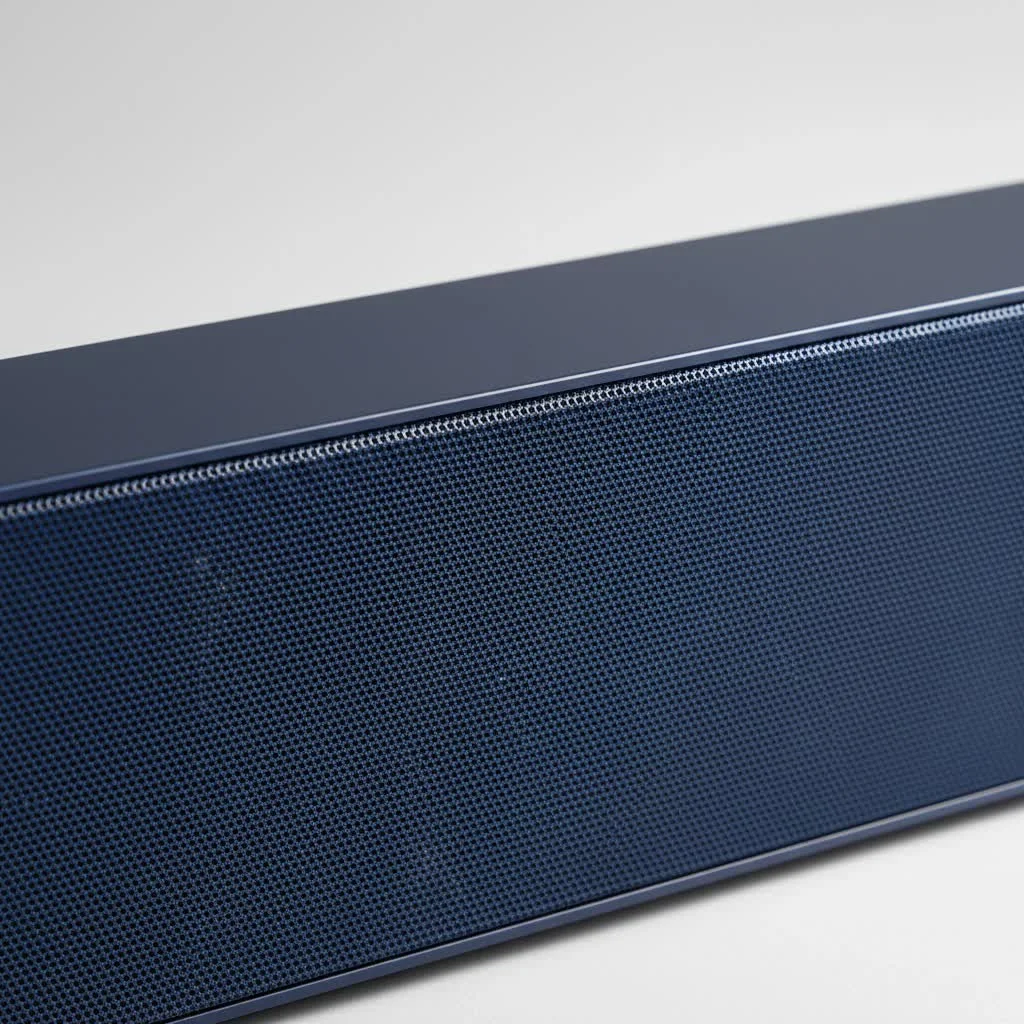
A sound bar Dolby Atmos system transforms your living room into a home cinema by creating a three-dimensional audio experience, making sound appear to come from all around you, including overhead. This immersive effect is achieved through object-based audio, where individual sounds are placed and moved anywhere in a 3D space, unlike traditional channel-based surround sound. For example, a buzzing helicopter can sound like it’s directly above you, enhancing realism significantly.
What is Dolby Atmos, Anyway?
Before we get to the sound bar, let’s break down the core technology. For decades, surround sound worked by assigning audio to specific channels—front left, center, right, rear left, and so on. Think of it as sound coming from a few fixed points in your room.
Dolby Atmos throws that rulebook out the window. It’s an “object-based” audio format. Instead of channels, sound designers can treat individual sounds—a buzzing helicopter, a falling raindrop, a ricocheting bullet—as individual “objects.” They can then place and move these objects anywhere in a three-dimensional space. The result? Sound is no longer confined to a flat plane. It can travel overhead, behind you, and beside you with breathtaking realism. It’s the difference between looking at a photograph and stepping into a sculpture.
How Does a Sound Bar Create the Dolby Atmos Effect?
You might be wondering how a single bar of speakers placed under your TV can possibly create sound that seems to come from your ceiling. It’s a clever combination of physical engineering and sophisticated digital processing.
Up-Firing Speakers: The Key to Height
The most crucial element in a true sound bar Dolby Atmos system is a set of upward-firing drivers. These speakers are angled to bounce sound waves off your ceiling and down to your listening position. This reflection creates the illusion of height, tricking your brain into perceiving sound as if it’s coming from dedicated overhead speakers. For this to work effectively, you need a flat, reflective ceiling, ideally between 8 to 11 feet high.
Virtualization and Psychoacoustics
Not all Dolby Atmos sound bars rely solely on up-firing speakers. Many also employ advanced Digital Signal Processing (DSP) and psychoacoustic techniques. This is often referred to as “virtual” Dolby Atmos. The sound bar’s processors manipulate audio signals to simulate surround and height effects, creating a wider and more immersive soundstage than the physical speakers would suggest. While incredibly clever, a system with dedicated up-firing drivers will almost always deliver a more convincing and powerful 3D audio experience.
Is a Sound Bar with Dolby Atmos Really Worth It?
This is the million-dollar question for many home theater enthusiasts. The short answer is a resounding yes, but with a few caveats. A sound bar Dolby Atmos system offers a significant upgrade over standard stereo or traditional surround sound bars, but its value depends on your content, your room, and your expectations.
As our in-house audio engineer, David Chen, often says, “Dolby Atmos in a sound bar is about creating a believable audio world. When a film’s sound mix is done right, the technology allows us to place you directly inside the scene, not just in front of it. It’s about immersion, pure and simple.”
Consider these points:
- For Movie and Gaming Fans: If you love action, sci-fi, and horror films or play modern video games, Atmos is a major upgrade. The directional audio adds a new layer of intensity and realism.
- Content is King: To get the full effect, you need content mixed in Dolby Atmos. Thankfully, it’s now widely available on 4K Blu-rays and major streaming services like Netflix, Disney+, Apple TV+, and Amazon Prime Video.
- Room Acoustics Matter: As mentioned, ceiling height and shape play a big role. Vaulted or acoustically treated ceilings can diminish the effectiveness of up-firing speakers.
What to Look For in a Dolby Atmos Sound Bar
Navigating the market can be tricky. Here are the essential features to keep on your checklist to ensure you get a quality sound bar Dolby Atmos experience.
True vs. Virtual Dolby Atmos
|
Our Picks for the Best Sound Bar in 2026
As an Amazon Associate I earn from qualifying purchases.
|
||
| Num | Product | Action |
|---|---|---|
| 1 | Samsung HW-C450 2.1ch Soundbar w/DTS Virtual X, Subwoofer Included, Bass Boost, Adaptive Sound Lite, Game Mode, Bluetooth, Wireless Surround Sound Compatible |

|
| 2 | Sound Bar for Smart TV, 80W Soundbar with Bluetooth/ARC/Opt/AUX Connect, Dynamic Volume Boost, 3 Equalizer Modes, 2 in 1 Detachable Soundbar for TV/PC/Gaming/Projectors |
|
| 3 | Sound Bar for Smart TV, 80W Soundbar with Bluetooth/ARC/Opt/AUX Connect, Auto Volume Boost, 3 Equalizer Modes, 2 in 1 Detachable Soundbar for TV/PC/Gaming/Projectors |
|
| 4 | Sonos Beam Gen 2 - White - Soundbar with Dolby Atmos |
|
| 5 | ULTIMEA 5.1CH Surround Sound Bar with Subwoofer, Dolby Atmos, VoiceMX, BassMX, APP, 300W Soundbar for Smart TV, Home Theater Surround Sound System for TV, BT 5.4, Poseidon M60 (2025 Model) |
|
| 6 | Sony S100F 2.0ch Soundbar with Bass Reflex Speaker, Integrated Tweeter and Bluetooth, (HTS100F), easy setup, compact, home office use with clear sound black |
|
| 7 | Sound Bar for Smart TV, 80W Soundbar with Bluetooth/ARC/Opt/AUX Connect, Auto Volume Boost, 3 Equalizer Modes, 2 in 1 Detachable Soundbar for TV/PC/Gaming/Projectors |
|
| 8 | Sonos Beam Gen 2 - Black - Soundbar with Dolby Atmos |
|
| 9 | VIZIO V-Series 2.0 Compact Sound Bar with Dolby Audio, DTS:X, Bluetooth V20x-J8 |
|
| 10 | MZEIBO Sound Bar with Subwoofer,120W Soundbar for Smart TV Surround Sound Home Theater System Bluetooth 5.3 Audio Compatible with ARC, AUX, Optical |
|
Be discerning. A “Dolby Atmos compatible” sound bar might only be able to process the signal without having the hardware to reproduce it properly. Look for models that explicitly mention up-firing drivers for a true, height-based audio experience. Virtual Atmos can be a good budget option, but it won’t have the same impact.
Understanding Channel Numbers (e.g., 5.1.2)
You’ll see numbers like 5.1.2 or 7.1.4. Here’s what they mean:
- First number (5): The number of horizontal channels (front, center, surround).
- Second number (1): The number of subwoofer channels for low-frequency effects (bass).
- Third number (2): The number of height channels from up-firing speakers.
A 5.1.2 system is a fantastic starting point for most living rooms, offering a genuine 3D audio bubble.
Connectivity: HDMI eARC is a Must
To get the highest quality, uncompressed Dolby Atmos signal from your TV to your sound bar, you need an HDMI eARC (Enhanced Audio Return Channel) port. While a standard HDMI ARC port can pass a compressed version of Atmos, eARC has the bandwidth required for the full, lossless audio experience found on sources like a 4K Blu-ray player.
How to Set Up Your Sound Bar for the Best Atmos Experience
Once you’ve unboxed your new system, proper setup is critical. A few simple steps can make a world of difference.
- Placement is Paramount: Position the sound bar centered directly below your TV. Ensure there is nothing obstructing the top or sides of the bar, especially the up-firing speakers. Don’t place it inside a cabinet.
- Use the Right Cables: Connect your sound bar to your TV’s HDMI eARC port using a certified Ultra High-Speed HDMI cable.
- Calibrate Your System: Many premium sound bars come with an auto-calibration feature that uses a built-in microphone to analyze your room’s acoustics and adjust the sound accordingly. Always run this process.
- Check Your TV Settings: Dive into your TV’s audio settings. Ensure the audio output is set to HDMI eARC and that the digital audio format is set to “Passthrough” or “Bitstream” to let the sound bar do the decoding.
Frequently Asked Questions (FAQ)
Do I need a special TV for a Dolby Atmos sound bar?
You don’t need a specific Dolby Atmos TV, but for the best results, you need a TV with an HDMI eARC port. This ensures the sound bar receives the highest quality, uncompressed audio signal.
What kind of content uses Dolby Atmos?
Dolby Atmos is widely available. You can find it on 4K UHD Blu-ray discs, and it’s supported by major streaming platforms like Netflix (with a premium plan), Disney+, Amazon Prime Video, and Apple TV+. Many modern video games on Xbox and PC also feature Dolby Atmos audio.
Can I get Dolby Atmos without up-firing speakers?
Some sound bars use virtualization technology to simulate the Atmos effect without dedicated up-firing drivers. While this provides a more immersive experience than basic stereo, it is not as convincing or powerful as a true Dolby Atmos sound bar with physical height channels.
Is Dolby Atmos better than 7.1 surround sound?
Yes, Dolby Atmos is generally considered superior because it adds a vertical, or height, dimension to the soundstage. While a 7.1 system provides excellent horizontal surround sound, Atmos creates a more complete 3D sound bubble, making the audio experience feel more lifelike and immersive.
Will a Dolby Atmos sound bar improve regular TV shows?
Yes, even when you’re not watching Atmos content, a high-quality sound bar will offer a massive improvement. They typically have dedicated center channels for crystal-clear dialogue and use their advanced processing to “upmix” stereo or 5.1 content to create a more expansive and engaging soundfield.
Conclusion: improve your Audio Experience
A sound bar Dolby Atmos system is more than just an incremental upgrade; it’s a fundamental shift in how you experience audio at home. By breaking free from the constraints of channel-based audio, it delivers a sound that is more spacious, dynamic, and utterly immersive. It places you in the heart of the action, whether you’re watching a blockbuster movie, exploring a vast gaming world, or even listening to music mixed in this revolutionary format. If you’re ready to make your home entertainment truly cinematic, investing in a sound bar with Dolby Atmos is one of the most impactful upgrades you can make.
Get our weekly buyer guide
Practical specs, not advice. Unsubscribe anytime.
As a gamer, I’m always looking for ways to enhance immersion, and a sound bar Dolby Atmos system delivers! The detailed explanation of how individual sounds are placed and moved in a 3D space made me pull the trigger. Now, footsteps in games sound like they’re actually coming from the correct direction, and it makes a huge difference in competitive play. Highly recommend for fellow gamers.
I was skeptical about getting true overhead sound from a soundbar, but this guide really helped me understand how object-based audio works. My new setup with a sound bar Dolby Atmos system is a game-changer for movie nights. The helicopter scene in that one action movie literally sounded like it was above my head. It’s incredible how far sound technology has come.
I bought a new soundbar with Dolby Atmos after reading about the 3D audio experience. While the sound quality is good and it’s better than my TV speakers, I’m not entirely convinced by the ‘sound from all around you’ claim. Maybe my room acoustics aren’t ideal, or I just expected more from the object-based audio. It’s decent, but not the mind-blowing transformation I was anticipating.
Upgrading to a sound bar Dolby Atmos system was a great decision for my living room. The immersive effect is definitely noticeable, especially with action films. I appreciate the explanation of how it differs from traditional channel-based surround sound. My only minor gripe is that sometimes the ‘overhead’ effect isn’t as pronounced as I’d hoped, but it’s still a huge improvement over my old soundbar.