Ever settled down for a movie night, only to find your TV’s built-in speakers just aren’t cutting it? That flat, lifeless audio can really pull you out of the experience, can’t it? If you’re looking to transform your living room into an immersive cinematic escape, a Vizio sound bar for your TV is often the perfect solution. Known for striking a fantastic balance between performance and affordability, Vizio offers a range of sound bars designed to breathe new life into your entertainment.
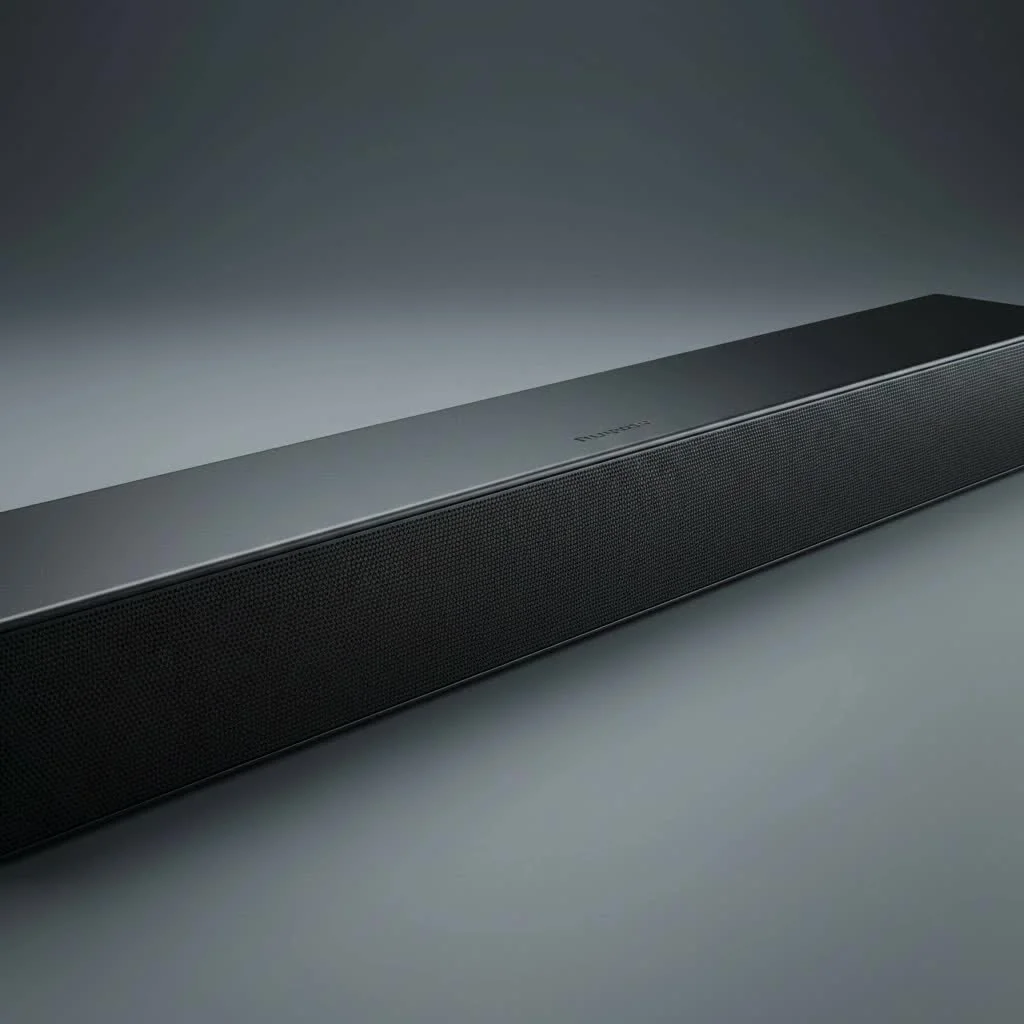
Whether you’re a casual viewer or an avid cinephile, upgrading your TV’s sound with a Vizio sound bar can drastically enhance everything from action-packed blockbusters to subtle dialogue in your favorite shows. Let’s dive into why a Vizio sound bar is a smart choice and how to get yours up and running for an unparalleled audio journey.
Why Choose a Vizio Sound Bar for Your TV?
Vizio has carved out a strong reputation in the home audio market for delivering impressive features without the premium price tag. When considering a Vizio sound bar for your TV, you’re looking at several compelling advantages:
- Exceptional Value: Vizio sound bars consistently offer features like wireless subwoofers, satellite speakers, and advanced audio formats such as Dolby Atmos and DTS:X, often at prices well below competitors. This means you get a richer, more dynamic sound experience without breaking the bank.
- Versatile Options: From compact 2.1 channel systems perfect for smaller spaces to expansive 5.1.4 setups that truly envelop you in sound, there’s a Vizio sound bar for every room and every need. You can find a Vizio sound bar for TV that fits your specific desire for dialogue clarity, deep bass, or full surround immersion.
- Cutting-Edge Audio Technologies: Many Vizio sound bars integrate advanced technologies like Dolby Atmos and DTS:X, which create a three-dimensional soundscape, making it feel like explosions are happening above you or whispers are coming from behind. This truly makes your TV viewing more engaging.
- Ease of Use: Vizio designs its sound bars with user-friendliness in mind. Setup is typically straightforward, and many models integrate seamlessly with your TV’s existing remote for effortless control.
As audio engineer Dr. Evelyn Reed often says, “A great picture needs great sound to complete the story. Vizio sound bars offer an accessible gateway to that complete narrative, ensuring every rumble and whisper is heard as intended.”
Connecting Your Vizio Sound Bar to Your TV: A Step-by-Step Guide
Getting your Vizio sound bar connected to your TV is usually a smooth process. Before you start, unbox your sound bar and place it directly in front of your TV, ideally centered and near ear level for the best audio experience. Make sure you have all the necessary cables – typically an HDMI cable (preferably one that supports ARC) or an optical cable.
The Best Connection: HDMI ARC/eARC
|
Our Picks for the Best Sound Bar in 2026
As an Amazon Associate I earn from qualifying purchases.
|
||
| Num | Product | Action |
|---|---|---|
| 1 | Sonos Beam Gen 2 - Black - Soundbar with Dolby Atmos |

|
| 2 | Sonos Beam Gen 2 - White - Soundbar with Dolby Atmos |
|
| 3 | Sound Bar for Smart TV, 80W Soundbar with Bluetooth/ARC/Opt/AUX Connect, Dynamic Volume Boost, 3 Equalizer Modes, 2 in 1 Detachable Soundbar for TV/PC/Gaming/Projectors |
|
| 4 | VIZIO V-Series 2.0 Compact Sound Bar with Dolby Audio, DTS:X, Bluetooth V20x-J8 |
|
| 5 | ULTIMEA 5.1CH Surround Sound Bar with Subwoofer, Dolby Atmos, VoiceMX, BassMX, APP, 300W Soundbar for Smart TV, Home Theater Surround Sound System for TV, BT 5.4, Poseidon M60 (2025 Model) |
|
| 6 | MZEIBO Sound Bar with Subwoofer,120W Soundbar for Smart TV Surround Sound Home Theater System Bluetooth 5.3 Audio Compatible with ARC, AUX, Optical |
|
| 7 | Sound Bar for Smart TV, 80W Soundbar with Bluetooth/ARC/Opt/AUX Connect, Auto Volume Boost, 3 Equalizer Modes, 2 in 1 Detachable Soundbar for TV/PC/Gaming/Projectors |
|
| 8 | Sony S100F 2.0ch Soundbar with Bass Reflex Speaker, Integrated Tweeter and Bluetooth, (HTS100F), easy setup, compact, home office use with clear sound black |
|
| 9 | Samsung HW-C450 2.1ch Soundbar w/DTS Virtual X, Subwoofer Included, Bass Boost, Adaptive Sound Lite, Game Mode, Bluetooth, Wireless Surround Sound Compatible |
|
| 10 | Sound Bar for Smart TV, 80W Soundbar with Bluetooth/ARC/Opt/AUX Connect, Auto Volume Boost, 3 Equalizer Modes, 2 in 1 Detachable Soundbar for TV/PC/Gaming/Projectors |
|
For most modern TVs and Vizio sound bars, HDMI ARC (Audio Return Channel) or eARC (enhanced Audio Return Channel) is the gold standard for connectivity. It offers the best sound quality and allows your TV remote to control the sound bar’s volume, simplifying your setup.
- Identify Ports: Locate the HDMI port on your TV labeled “HDMI ARC” or “HDMI eARC.” On your Vizio sound bar, find the “HDMI OUT (ARC)” port.
- Connect the Cable: Plug one end of a high-speed HDMI cable into your TV’s HDMI ARC/eARC port and the other end into your Vizio sound bar’s HDMI OUT (ARC) port.
- Power On: Turn on your TV first, then your Vizio sound bar.
- Select Input: On your Vizio sound bar remote, press the “Input” button and select “HDMI.”
- Adjust TV Settings:
- Navigate to your TV’s “Audio” or “Sound” settings menu.
- Change the “Digital Audio Output” format to “Dolby Digital” or “Bitstream.”
- Go to your TV’s “System” settings and enable “CEC” (Consumer Electronics Control) and “ARC” functions. These settings might be called “Anynet+” (Samsung), “Bravia Sync” (Sony), or “Simplink” (LG), among others.
- Within the CEC settings, look for an option like “Device Discovery” to ensure your TV recognizes the Vizio sound bar.
A Great Alternative: Optical Audio
If your TV doesn’t have an HDMI ARC port, or if you prefer a simpler audio-only connection, an optical audio cable is an excellent choice.
- Identify Ports: Locate the “Optical Out” or “Digital Audio Out” port on your TV (it’s often square with a small flap) and the “Optical In” port on your Vizio sound bar.
- Connect the Cable: Remove the protective caps from both ends of the optical cable. Connect one end to your TV and the other to your sound bar.
- Power On: Turn on your TV, then your Vizio sound bar.
- Select Input: On your Vizio sound bar remote, press “Input” and select “Optical.”
- Adjust TV Settings:
- Go to your TV’s “Audio” or “Sound” settings.
- Change the “Digital Audio Output” format to “PCM” (Pulse Code Modulation) for the best compatibility.
Going Wireless: Bluetooth
While generally not recommended for the best TV audio quality due to potential latency, Bluetooth is a convenient option for streaming music from your phone or for TVs that lack other suitable audio outputs.
- Put Sound Bar in Pairing Mode: Press and hold the “Bluetooth” button on your Vizio sound bar or its remote for a few seconds until the LED lights start blinking (usually blue).
- Access TV Bluetooth Settings: On your TV, navigate to “Settings” > “Sound” > “Audio Output” > “Bluetooth” (or similar path depending on your TV brand).
- Scan and Pair: Your TV will scan for available devices. Select your Vizio sound bar from the list to pair.
- Test Audio: Play something on your TV to confirm the sound is coming through the sound bar.
Analog Option: RCA/AUX
For older TVs without HDMI ARC or optical ports, an RCA or 3.5mm AUX cable can still get the job done.
- Identify Cable: You’ll need a 3.5mm to RCA adapter cable, or a standard RCA stereo cable (red and white connectors).
- Connect to Sound Bar: Plug the 3.5mm end into the “AUX IN” or “Line In” port on your Vizio sound bar. If using RCA directly, connect the red and white ends to the corresponding “Audio In” ports.
- Connect to TV: Plug the red and white RCA connectors into your TV’s “Audio Out” ports.
- Select Input: On your Vizio sound bar remote, select “AUX” or “Analog” as the input.
- Adjust TV Settings: In your TV’s audio settings, ensure the audio output is set to “External Speakers” or “Audio Out” and disable the internal TV speakers.
Top Vizio Sound Bars to Consider for Your TV
Vizio offers a diverse lineup of sound bars, each designed to meet different needs and budgets. Here are some standout options that make excellent companions for your TV:
For Immersive Audio: Vizio Elevate Series
If you’re chasing the ultimate home theater experience, the Vizio Elevate series is a prime contender. These premium systems, like the Vizio Elevate itself, are engineered for true immersion. They feature unique rotating sides that physically adjust to beam sound upwards and outwards, creating a wider, taller soundstage. With support for Dolby Atmos and DTS:X, plus discrete satellite speakers and a powerful wireless subwoofer, the Elevate can make you feel like you’re right in the middle of the action, whether it’s a roaring explosion or a subtle rainfall effect. This series is ideal for larger living rooms and movie enthusiasts.
Best Value Surround Sound: Vizio 5.1 Soundbar SE
For those seeking a genuine surround sound experience without a top-tier budget, the Vizio 5.1 Soundbar SE (such as the SV510X-0806 model) is a fantastic choice. This 5.1 channel system typically includes a sound bar, a wireless subwoofer, and two dedicated rear satellite speakers. While it may not have up-firing speakers for height effects, it still supports Dolby Atmos content and delivers a much more cinematic and enveloping sound than most standalone sound bars in its price range. It’s an excellent upgrade for bringing movies and games to life.
Compact & Clear: Vizio V-Series
If your priority is clearer dialogue and a noticeable step up from your TV’s built-in speakers in a more compact form factor, Vizio’s V-Series sound bars, like the V21-H82 or V21t-J8, are superb options. These 2.1 channel systems usually pair a sound bar with a compact wireless subwoofer, providing richer bass and enhanced vocal clarity without cluttering your space. They’re perfect for smaller rooms, apartments, or anyone primarily looking to boost TV shows and everyday viewing.
Troubleshooting Common Vizio Sound Bar Issues
Even with the best setup, sometimes little glitches can occur. Here’s how to tackle some common issues with your Vizio sound bar for TV.
No Sound After Setup
This is a common hiccup, but usually an easy fix.
- Check Cables: Ensure all cables (HDMI, optical, etc.) are securely plugged into both the TV and the sound bar. A loose connection is a frequent culprit.
- Correct Input: Double-check that your Vizio sound bar is set to the correct input source (e.g., “HDMI,” “Optical,” “AUX”) that matches your TV connection.
- TV Audio Output Settings: Revisit your TV’s audio settings. Confirm that the “Digital Audio Output” is set to “Dolby Digital,” “Bitstream,” or “PCM” as appropriate for your connection type. Also, ensure your TV’s internal speakers are disabled.
- Power Cycle: Sometimes, a simple reset does wonders. Unplug both your TV and Vizio sound bar from power for about 30 seconds, then plug them back in. Turn on the TV first, then the sound bar. This can resolve communication issues.
Sound Bar Stuck on “Searching”
If your Vizio sound bar keeps displaying “Searching” and won’t connect, especially after using Bluetooth or after a power outage, try these steps:
- Hard Reset: Many Vizio sound bars can be hard reset by pressing and holding specific button combinations on the sound bar itself, such as “Bluetooth” and “Volume Down (-)” for 5-10 seconds, or “Bluetooth” and “Input” simultaneously for 10 seconds. Check your specific model’s manual for the exact combination.
- Check CEC Settings: If you’re using HDMI ARC, ensure CEC (Consumer Electronics Control) is fully enabled and configured on your TV. Sometimes turning it off and on again can re-establish the connection.
- Re-pair Bluetooth: If it’s searching for a Bluetooth device, make sure no other devices are trying to connect and initiate the pairing process from scratch on both your sound bar and TV/device.
Volume Sync Issues (TV Remote Control)
If your TV remote isn’t consistently controlling the Vizio sound bar volume, or if the volume levels seem inconsistent:
- HDMI ARC/CEC Check: Confirm that HDMI ARC and all CEC functions are fully enabled on your TV. These features allow your TV to communicate volume commands to the sound bar.
- Sound Bar Remote: Ensure your Vizio sound bar remote isn’t overriding the TV’s commands. Sometimes, pressing the input button on the sound bar remote can help re-establish sync.
- Firmware Updates: Occasionally, firmware updates for either your TV or sound bar can resolve compatibility issues. Check the manufacturer’s websites for the latest updates.
Frequently Asked Questions
Q1: What is the best way to connect a Vizio sound bar to my TV?
A1: The best way is typically via an HDMI ARC (Audio Return Channel) or eARC port. This connection provides the highest audio quality and allows your TV remote to control the sound bar’s volume and power.
Q2: Can I connect my Vizio sound bar wirelessly to my TV?
A2: Yes, you can connect some Vizio sound bars to your TV wirelessly using Bluetooth, though this is generally better suited for music streaming than for TV audio, where HDMI ARC or optical offer better sound fidelity and no latency.
Q3: What Vizio sound bar is best for dialogue clarity on TV?
A3: Sound bars with a dedicated center channel, like many in the Vizio Elevate or V-Series, are excellent for dialogue clarity. Look for models that emphasize clear vocal reproduction.
Q4: Do Vizio sound bars support Dolby Atmos?
A4: Many Vizio sound bars, particularly the Elevate series and some 5.1 systems, support Dolby Atmos, offering a more immersive, three-dimensional audio experience for compatible content.
Q5: My Vizio sound bar says “Searching” and has no sound. How do I fix it?
A5: Try a hard reset on the sound bar by holding down specific buttons (often Bluetooth and Volume Down, or Bluetooth and Input) for several seconds. Also, ensure your TV’s CEC settings are properly configured if using HDMI ARC.
Q6: Can I use my TV remote to control my Vizio sound bar’s volume?
A6: Yes, if you connect your Vizio sound bar to your TV using HDMI ARC/eARC and enable the CEC (Consumer Electronics Control) functions on your TV, you should be able to control the sound bar’s volume with your TV remote.
Ready to Transform Your TV Audio?
Choosing a Vizio sound bar for your TV is a fantastic step towards upgrading your home entertainment experience. From the convenience of simple setup to the thrill of immersive surround sound, these sound bars offer exceptional value and performance. By understanding the different connection methods, exploring the top models, and knowing how to troubleshoot common issues, you’re well-equipped to make an informed decision and enjoy crystal-clear, powerful audio every time you turn on your TV.
So, go ahead, pick out that perfect Vizio sound bar, connect it to your TV, and prepare to hear your favorite movies, shows, and games like never before. Your ears (and your movie nights) will thank you!
Get our weekly buyer guide
Practical specs, not advice. Unsubscribe anytime.