In the evolving landscape of home entertainment, your television delivers stunning visuals, but often, the audio experience falls short. Modern TVs, designed with sleek, slim profiles, simply don’t have the physical space for robust, room-filling speakers. This is where a dedicated sound bar becomes not just an upgrade, but a necessity, transforming your viewing into a truly immersive experience. When it comes to seamless integration, innovative features, and exceptional audio quality, a Samsung sound bar for TV stands out as a premier choice, especially for those who already own a Samsung television.
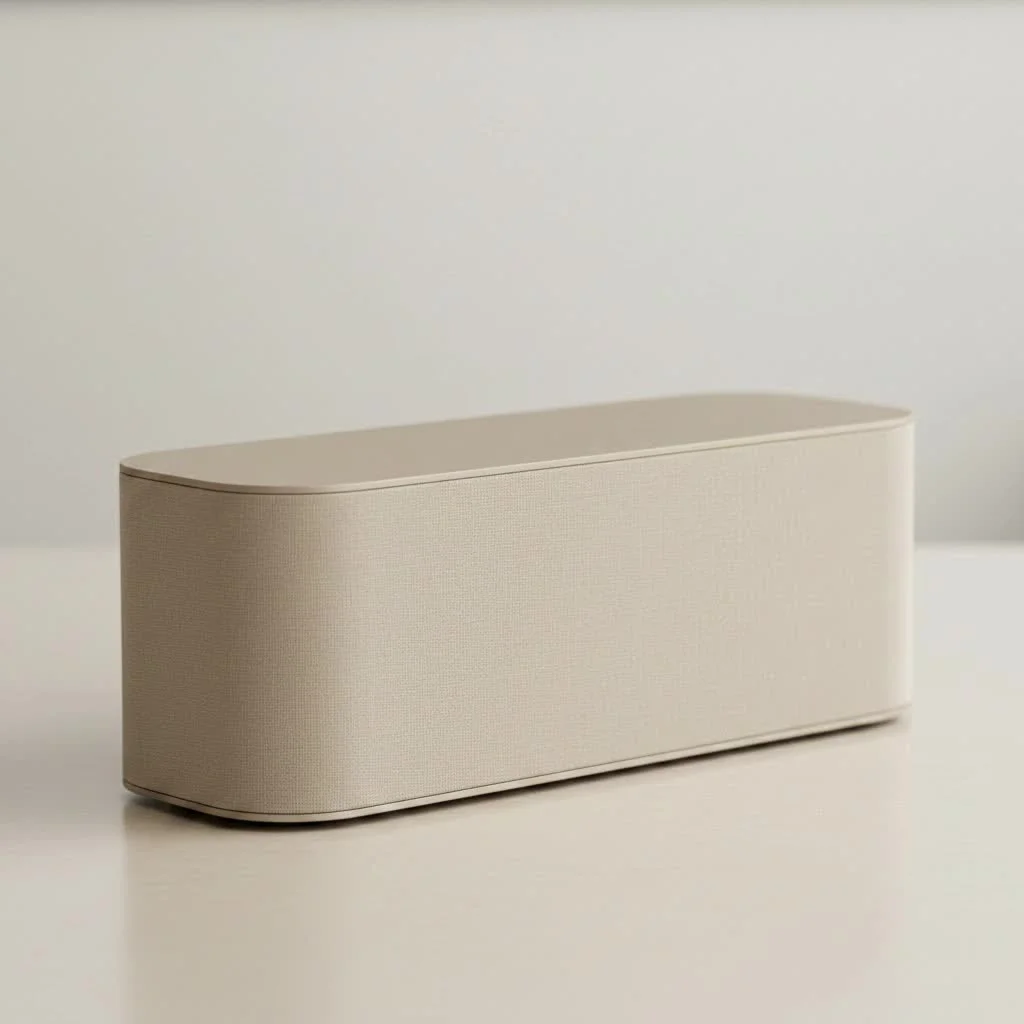
Samsung has consistently pushed the boundaries of audio technology, offering a diverse range of sound bars designed to complement their televisions perfectly. From flagship models that create cinematic soundscapes to ultra-slim designs that blend effortlessly into your living space, there’s a Samsung sound bar crafted to meet every need and budget. This article will guide you through the exciting world of Samsung sound bars, helping you understand their unique advantages, key technologies, and how to select and set up the ideal one for your home theater.
Why Pair Your Samsung TV with a Samsung Sound Bar? The Ecosystem Advantage
Choosing a Samsung sound bar when you own a Samsung TV isn’t just about brand loyalty; it’s about unlocking a symphony of synergistic technologies that enhance your overall entertainment. The real magic happens when these devices work in harmony, creating an audio experience far superior to what either could achieve alone.
Q-Symphony: The Harmonious Duo
Imagine your TV’s built-in speakers not being silenced when you connect a sound bar, but instead, working together with it. That’s the brilliance of Samsung’s Q-Symphony technology. Available on compatible Samsung QLED TVs (from 2020 onwards) and Samsung sound bars, Q-Symphony synchronizes the audio output from both devices. This creates an expanded soundstage, adding significant height and width to the audio, making you feel truly enveloped in the content. It’s particularly impactful for object-based sound formats like Dolby Atmos and DTS:X, where sounds can appear to come from above and all around you, creating a more realistic and cinematic feel. According to Dr. Elena Petrova, Lead Audio Engineer at Mxwar Labs, “Q-Symphony is a game-changer for integrated home audio, leveraging the TV’s processing power to create a uniquely expansive sound field that rivals much more complex systems.”
SpaceFit Sound Pro: Tailored Acoustics for Your Room
Every room has its own unique acoustic challenges, from furniture arrangements to wall textures, all of which can affect sound quality. Samsung’s SpaceFit Sound Pro addresses this by using a built-in microphone to analyze your room’s acoustics. It then automatically optimizes the sound bar’s audio settings, ensuring that you always get the best possible sound, regardless of your room’s layout. This intelligent calibration takes the guesswork out of optimizing your audio, delivering perfectly balanced and immersive sound with minimal fuss.
Wireless Dolby Atmos: Cable-Free Immersion
|
Our Picks for the Best Sound Bar in 2026
As an Amazon Associate I earn from qualifying purchases.
|
||
| Num | Product | Action |
|---|---|---|
| 1 | Sonos Beam Gen 2 - Black - Soundbar with Dolby Atmos |

|
| 2 | Sonos Beam Gen 2 - White - Soundbar with Dolby Atmos |
|
| 3 | Sony S100F 2.0ch Soundbar with Bass Reflex Speaker, Integrated Tweeter and Bluetooth, (HTS100F), easy setup, compact, home office use with clear sound black |
|
| 4 | Sound Bar for Smart TV, 80W Soundbar with Bluetooth/ARC/Opt/AUX Connect, Dynamic Volume Boost, 3 Equalizer Modes, 2 in 1 Detachable Soundbar for TV/PC/Gaming/Projectors |
|
| 5 | MZEIBO Sound Bar with Subwoofer,120W Soundbar for Smart TV Surround Sound Home Theater System Bluetooth 5.3 Audio Compatible with ARC, AUX, Optical |
|
| 6 | Sound Bar for Smart TV, 80W Soundbar with Bluetooth/ARC/Opt/AUX Connect, Auto Volume Boost, 3 Equalizer Modes, 2 in 1 Detachable Soundbar for TV/PC/Gaming/Projectors |
|
| 7 | ULTIMEA 5.1CH Surround Sound Bar with Subwoofer, Dolby Atmos, VoiceMX, BassMX, APP, 300W Soundbar for Smart TV, Home Theater Surround Sound System for TV, BT 5.4, Poseidon M60 (2025 Model) |
|
| 8 | Samsung HW-C450 2.1ch Soundbar w/DTS Virtual X, Subwoofer Included, Bass Boost, Adaptive Sound Lite, Game Mode, Bluetooth, Wireless Surround Sound Compatible |
|
| 9 | VIZIO V-Series 2.0 Compact Sound Bar with Dolby Audio, DTS:X, Bluetooth V20x-J8 |
|
| 10 | Sound Bar for Smart TV, 80W Soundbar with Bluetooth/ARC/Opt/AUX Connect, Auto Volume Boost, 3 Equalizer Modes, 2 in 1 Detachable Soundbar for TV/PC/Gaming/Projectors |
|
Tangled cables are a perennial nuisance in any home theater setup. Many premium Samsung sound bars now support wireless Dolby Atmos, allowing compatible Samsung TVs to transmit Dolby Atmos audio to the sound bar without the need for an HDMI cable. This streamlines your setup, maintaining a clean aesthetic while delivering high-fidelity, three-dimensional surround sound. It’s a testament to Samsung’s commitment to both performance and user convenience.
Other Smart Features That Elevate Your Experience
Samsung sound bars are packed with a suite of smart features designed to enhance every aspect of your entertainment:
- Adaptive Sound: This intelligent technology uses AI to analyze the content you’re watching in real time, optimizing the audio based on the scene. Whether it’s crystal-clear dialogue in a quiet drama or explosive sound effects in an action movie, Adaptive Sound adjusts to deliver the best experience.
- Game Mode Pro: For gamers, Game Mode Pro provides directional audio cues, allowing you to hear enemy footsteps or subtle environmental sounds with greater precision, adding a competitive edge and deeper immersion to your gaming sessions.
- Voice Assistant Support: Many Samsung sound bars come with built-in Amazon Alexa and Google Assistant, offering hands-free control over your sound bar, TV, and other smart home devices.
- AirPlay 2 & Chromecast: Seamlessly stream music and audio from your Apple or Android devices directly to your sound bar.
- Tap Sound: For Samsung Galaxy users, a simple tap of your phone on the sound bar can instantly transfer music playback, offering ultimate convenience.
Decoding Samsung’s Sound Bar Lineup: Finding Your Ideal Match
Samsung offers a wide array of sound bars, each with distinct features and configurations. Understanding these options is key to choosing the perfect Samsung sound bar for TV that aligns with your specific needs, room size, and budget.
Understanding Channel Configurations
Sound bar specifications often include numbers like “3.1.2” or “11.1.4”. These refer to the channel configuration:
- The first number indicates the number of main audio channels (e.g., front left, center, front right, side speakers).
- The second number (after the first dot) denotes the subwoofer channel, responsible for deep bass.
- The third number (after the second dot) signifies the number of up-firing speakers, crucial for creating overhead sound effects in Dolby Atmos or DTS:X.
A higher number generally indicates a more immersive and enveloping sound experience, but also often comes with a higher price tag and larger physical footprint.
Flagship Powerhouses: The Q-Series
At the pinnacle of Samsung’s sound bar offerings is the Q-Series, designed for audiophiles and cinephiles seeking the ultimate home theater experience.
- Samsung HW-Q990D/F: The 2024 and 2025 flagship models, the HW-Q990D and HW-Q990F (with the ‘F’ model featuring a more compact subwoofer), are 11.1.4-channel systems. They deliver an incredibly immersive Dolby Atmos and DTS:X experience through a comprehensive array of speakers, including a main bar, wireless subwoofer, and wireless rear speakers. These powerhouses support wireless Dolby Atmos and Q-Symphony, and for gamers, the Q990D notably offers 4K/120Hz pass-through for smooth, low-latency visuals. If you have the space and desire unparalleled cinematic audio, this is your top contender.
- Samsung HW-Q800D: Sitting in the mid-range of the Q-Series, the HW-Q800D offers a compelling balance of features and performance with a 5.1.2-channel configuration. It still provides an impressive Dolby Atmos experience through its main bar and wireless subwoofer, alongside Q-Symphony and SpaceFit Sound Pro. It’s an excellent choice for those seeking premium features and immersive sound without the flagship price tag.
- Samsung HW-Q700D: A more accessible entry into the Q-Series, the HW-Q700D offers a 3.1.2-channel setup, still delivering Dolby Atmos capabilities with dedicated up-firing speakers. It retains key features like wireless Dolby Atmos support and Q-Symphony, making it a strong option for those wanting Q-Series technologies in a more streamlined package suitable for TVs 55 inches and larger.
Slim & Stylish: The S-Series
For those who prioritize aesthetics and minimalist design without compromising on sound, the S-Series offers sleek, ultra-slim options.
- Samsung HW-S800D/S801D: These ultra-slim sound bars (the S801D being the white variant) are designed to complement thin TVs, blending seamlessly into any living space. Despite their compact profile, they are often 3.1.2-channel systems with dedicated up-firing drivers for Dolby Atmos. They feature wireless Dolby Atmos support, Q-Symphony, built-in voice assistants, and SpaceFit Sound Pro, proving that big sound can come in a small package.
Budget-Friendly Options
Samsung also provides more budget-conscious sound bars that still offer a significant upgrade over your TV’s built-in speakers. Models like the HW-B550 (a 2.1-channel system with a wireless subwoofer) or simpler all-in-one sound bars offer balanced sound and easy connectivity, making them great entry points into enhanced TV audio. While they might forgo some advanced features like object-based audio or multi-channel surround, they deliver clear dialogue and more impactful bass for everyday viewing.
Connecting Your Samsung Sound Bar to Your TV: A Step-by-Step Guide
Connecting your new Samsung sound bar for TV is usually a straightforward process. The method you choose will depend on the features you want to utilize and the ports available on your TV and sound bar.
HDMI ARC/eARC: The Gold Standard
For the best audio quality and to unlock features like Dolby Atmos, DTS:X, and Q-Symphony, an HDMI connection using ARC (Audio Return Channel) or eARC (enhanced Audio Return Channel) is highly recommended.
- Identify Ports: Locate the HDMI port labeled “ARC” or “eARC” on both your Samsung TV and your sound bar.
- Connect Cable: With both devices turned off, connect one end of an HDMI cable (ensure it’s an ARC-compatible cable) to the HDMI ARC/eARC port on your TV and the other end to the HDMI OUT (TV-ARC/eARC) port on your sound bar.
- Power On & Select Source: Turn on your TV and sound bar. On your sound bar remote, press the “Source” button to select “D.IN” or “TV ARC” (the display will typically show “TV ARC” or “eARC” once connected).
- TV Settings: On your TV, navigate to
Settings>Sound>Sound Outputand select the HDMI option that corresponds to your sound bar (e.g.,Receiver (HDMI)or[AV] Soundbar). If you’re using Q-Symphony, you’ll selectTV + [AV] Soundbar.
Optical Cable: Reliable Digital Audio
If your TV or sound bar lacks HDMI ARC/eARC, or if you simply prefer a dedicated audio connection, an optical cable is a great alternative.
- Identify Ports: Locate the
Digital Audio Out (Optical)port on your Samsung TV and theOptical Inport on your sound bar. - Connect Cable: With both devices on, connect one end of a digital optical cable to the
Digital Audio Out (Optical)port on your TV and the other end to theOptical Inport on your sound bar. - Select Source: On your sound bar, press the “Source” button to select “D.IN” or “Optical”.
- TV Settings: On your TV, go to
Settings>Sound>Sound Outputand selectAudio Out/Optical.- Note: Optical cables transmit digital sound but do not support object-based audio formats like Dolby Atmos or DTS:X.
Wireless Connections: Bluetooth & Wi-Fi
For maximum convenience and minimal cable clutter, Samsung sound bars offer wireless connectivity options.
-
Bluetooth:
- Activate Pairing: Turn on your TV and sound bar. On the sound bar, press the Bluetooth button (or “Source” until “BT Pairing” appears) to enter pairing mode.
- TV Pairing: On your Samsung TV, go to
Settings>Sound>Sound Output>Bluetooth Speaker List. Select your sound bar from the available devices andPair and Connect.
- Note: While convenient for music, Bluetooth can sometimes be less stable than wired connections and may not offer the highest audio fidelity for movies.
-
Wi-Fi (SmartThings App):
- Sound Bar Setup: Turn on your sound bar and press the “Source” button until “Wi-Fi” appears.
- SmartThings App: Download the Samsung SmartThings app on your mobile device and connect your phone to the same Wi-Fi network as your TV.
- Add Device: In the SmartThings app, tap the
+icon, thenDevice>AV>Samsung>Soundbar>Start. Follow the on-screen prompts to connect your sound bar to your Wi-Fi network. - TV Settings: On your TV, go to
Settings>Sound>Sound Outputand selectWi-Fi.
- Benefit: Wi-Fi offers a more stable connection than Bluetooth and can support higher-resolution audio, making it ideal for streaming and for activating Q-Symphony wirelessly.
Optimizing Your Samsung Sound Bar Experience
Once connected, a few tweaks can elevate your sound bar’s performance even further.
- Positioning is Key: For optimal sound dispersion, place your sound bar directly in front of your TV, centered. Ensure it’s not obstructed by anything that might block the upward-firing or side-firing speakers.
- Utilize Room Correction: If your sound bar features SpaceFit Sound Pro, run the calibration process. This will measure your room’s acoustics and adjust the sound output for the best possible listening experience.
- Explore Sound Modes: Experiment with the different sound modes your Samsung sound bar offers.
Adaptive Soundis great for general viewing,Game Mode Profor gaming, and modes likeVoice Enhancecan boost dialogue clarity, whileNight Modereduces sudden loud sounds, perfect for late-night viewing. - Keep Firmware Updated: Samsung frequently releases firmware updates that can improve sound performance, add new features, and fix bugs. Check for updates periodically through the SmartThings app or your sound bar’s settings menu.
Frequently Asked Questions About Samsung Sound Bars for TVs
Q: Is a Samsung sound bar compatible with non-Samsung TVs?
A: Yes, Samsung sound bars are generally compatible with any brand of TV via standard connections like HDMI ARC/eARC or optical cable. However, proprietary features like Q-Symphony, Wireless Dolby Atmos (for TV to sound bar), and some specific SmartThings integrations are designed to work exclusively or optimally with compatible Samsung TVs. You’ll still get excellent sound, but you might miss out on these unique ecosystem advantages.
Q: What is the difference between ARC and eARC?
A: ARC (Audio Return Channel) allows audio to be sent from your TV to your sound bar over a single HDMI cable. eARC (enhanced Audio Return Channel) is an upgraded version that offers significantly higher bandwidth, enabling it to transmit uncompressed, high-bitrate audio formats like Dolby Atmos and DTS:X (specifically object-based audio) which ARC cannot always handle. For the best immersive surround sound, eARC is preferable.
Q: Do I need rear speakers for true surround sound?
A: While many sound bars can simulate surround sound using psychoacoustic processing (especially those with up-firing and side-firing drivers), dedicated physical rear speakers provide the most authentic and immersive surround sound experience. Many Samsung Q-Series sound bars come with or are compatible with optional wireless rear speaker kits for this purpose.
Q: How does Q-Symphony improve the sound?
A: Q-Symphony combines the speakers of your compatible Samsung TV with your Samsung sound bar. Instead of the TV speakers being silenced, they work in conjunction with the sound bar, creating an expanded soundstage, particularly adding height channels. This results in a more enveloping and three-dimensional audio experience, making dialogue clearer and effects more impactful.
Q: Are Samsung sound bars good for music?
A: Absolutely! Many Samsung sound bars, especially the Q-Series and S-Series, are designed with high-quality drivers and advanced audio processing, making them excellent for music playback. They often support various streaming options like Bluetooth, Wi-Fi, AirPlay 2, and Chromecast, allowing you to enjoy your favorite tunes with rich, detailed sound.
Q: What’s the best way to clean my sound bar?
A: To clean your Samsung sound bar, first, power it off and unplug it. Use a soft, dry, lint-free cloth to gently wipe down the surfaces. For any stubborn dust or grime, you can slightly dampen the cloth with water, but avoid harsh chemicals or abrasive materials. Do not spray cleaners directly onto the sound bar. Use a soft brush or compressed air to clear dust from speaker grilles if necessary.
Conclusion: Transform Your Entertainment with a Samsung Sound Bar
Choosing the right Samsung sound bar for TV is more than just buying an accessory; it’s an investment in a vastly superior entertainment experience. From the seamless design integration to groundbreaking technologies like Q-Symphony and SpaceFit Sound Pro, Samsung sound bars are engineered to unlock the full audio potential of your television. Whether you’re a movie enthusiast craving cinematic immersion, a gamer seeking a competitive edge, or simply looking to enhance daily TV viewing, there’s a Samsung sound bar perfectly suited for your needs.
By understanding the diverse models, their unique features, and the various connectivity options, you can confidently select and set up a sound bar that not only sounds incredible but also complements your living space. Don’t settle for mediocre TV audio any longer. Explore the world of Samsung sound bars and rediscover your favorite content with breathtaking clarity, depth, and power. Your ears, and your entire home theater, will thank you.
Get our weekly buyer guide
Practical specs, not advice. Unsubscribe anytime.